Pool resurfacing in Palm Coast, FL
Rough plaster, stains that won't brush out, or a finish that looks tired after years of Florida sun? One call connects you with a local Palm Coast pool resurfacing contractor for a free on-site estimate.
Call (386) 291-5262 any time. If you reach voicemail, leave your name and number and a local contractor will call you back.
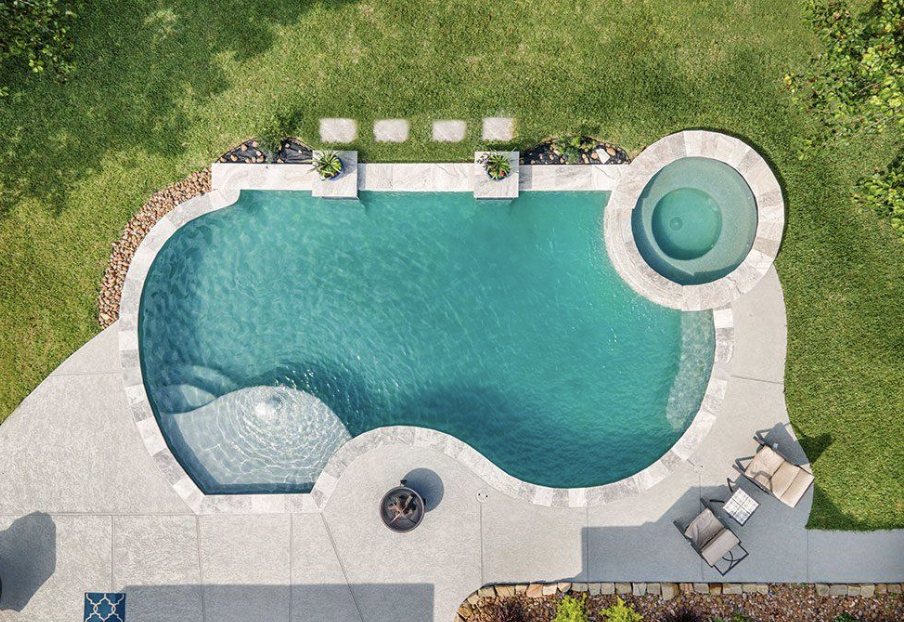
A new finish for the pool you already have
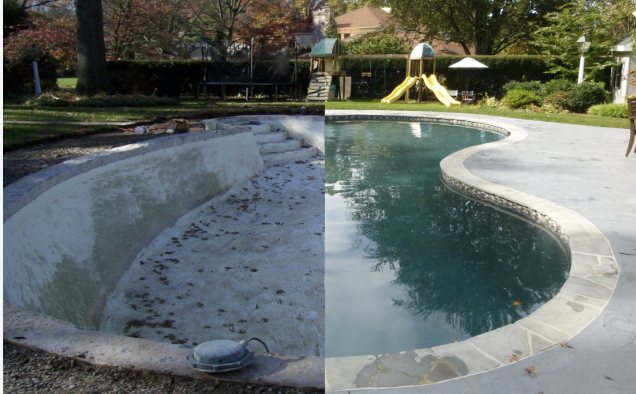
Most pools in Palm Coast were built during the city's big growth years, and a lot of them still have their first or second interior finish. Plaster doesn't last forever. Strong sun, chlorine, salt systems and years of chemistry swings slowly etch the surface until it feels like sandpaper on your feet, holds algae, and soaks up stains. Pool resurfacing removes or prepares the old finish and applies a fresh one, so the pool looks right, feels smooth, and holds water the way it should.
Whether you live in Palm Harbor along the saltwater canals, in Pine Lakes, Matanzas Woods, Belle Terre, Indian Trails, Seminole Woods, Cypress Knoll or Grand Haven, pool resurfacing in Palm Coast follows the same basic path: an inspection, a drain-down, surface prep, the new finish, and a careful start-up. The difference between a finish that lasts and one that fails early is almost always in the prep work and the start-up, which is why it pays to talk with an experienced local contractor.
Call (386) 291-5262 and describe your pool. We'll connect you with an independent pool contractor who works in Palm Coast and Flagler County, and they'll set up a time to look at the pool and give you a written estimate.
Signs your pool needs resurfacing
You don't have to wait for a leak. These are the most common reasons Palm Coast homeowners start looking into a new finish:
- Rough or scratchy surface. Etched plaster scrapes feet and snags swimsuits, and the pores give algae a place to grip.
- Stains that won't lift. Rust spots, leaf and tannin stains from oaks, and dark mineral stains often go deeper than any brush or acid wash can reach.
- Hollow spots and flaking. When the finish separates from the shell (called delamination), you may see chips, bubbles, or patches that sound hollow when tapped.
- Cracks and gray patches. Small surface cracks and mottled areas are normal aging, but they spread over time.
- Water loss. A worn finish isn't always the cause of a leak, but cracks around steps, lights and fittings are worth a look during an inspection.
Get a free resurfacing quote
Tell us a little about your pool. A local pool contractor will contact you to set up a free on-site estimate. Prefer to talk? Call (386) 291-5262.
Choosing a finish
The finish you pick changes how the water looks, how the pool feels underfoot, and how long you can expect to go before the next resurfacing. Here's a quick comparison of the main options a Palm Coast contractor will walk you through.
Plaster
Classic smooth white finish. The most budget-friendly option, with the shortest lifespan.
Quartz
Plaster blended with colored quartz. Tougher than plain plaster and still smooth.
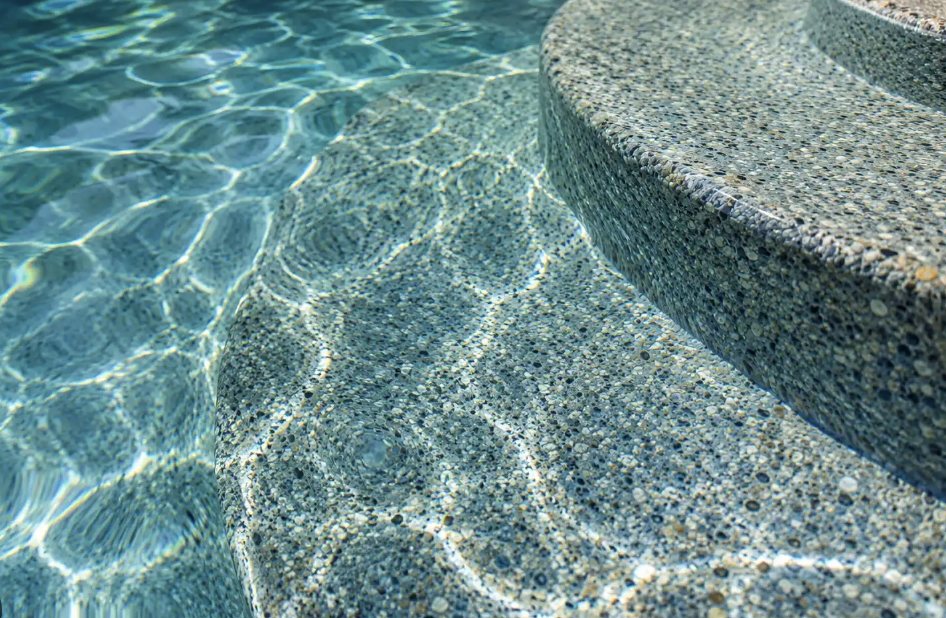
Pebble
Small natural stones set in cement. The longest-lasting choice, with a textured feel.
Fiberglass
Gelcoat refinishing for fiberglass pools, or a fiberglass lining over concrete.
How pool resurfacing works
Every pool is different, but a typical resurfacing job in Palm Coast follows these steps:
- Inspection and estimate. The contractor checks the shell, tile, coping, lights and fittings, and talks through finish choices.
- Drain-down. The pool is drained carefully. Florida's high water table can push up on an empty pool, so timing and the hydrostatic relief valve matter.
- Surface prep. Loose or hollow finish is chipped out, and the surface is cleaned, roughened or bond-coated so the new finish grips.
- Repairs. Cracks, fittings, light niches and damaged tile are dealt with before the new finish goes on.
- New finish. Plaster, quartz or pebble is applied and troweled, or a fiberglass system is laid up.
- Fill and start-up. The pool is refilled and the water is balanced and brushed on a schedule while the new surface cures.
Timing tip: many Florida contractors prefer the cooler, drier months for resurfacing, and you'll want the pool back before swim season. If you're thinking about a new finish for spring, now is a good time to get estimates.
Questions to ask any contractor
Before you hire anyone, ask:
- What is your Florida contractor license number? (You can look it up at myfloridalicense.com.)
- Will you chip out all the old finish, or only the loose areas?
- What start-up and brushing schedule do you follow, and who handles it?
- What does the warranty cover, and for how long?
- Is a permit needed for this job in my city or county?
A good contractor will answer these clearly and put the scope in writing.
Resurfacing services
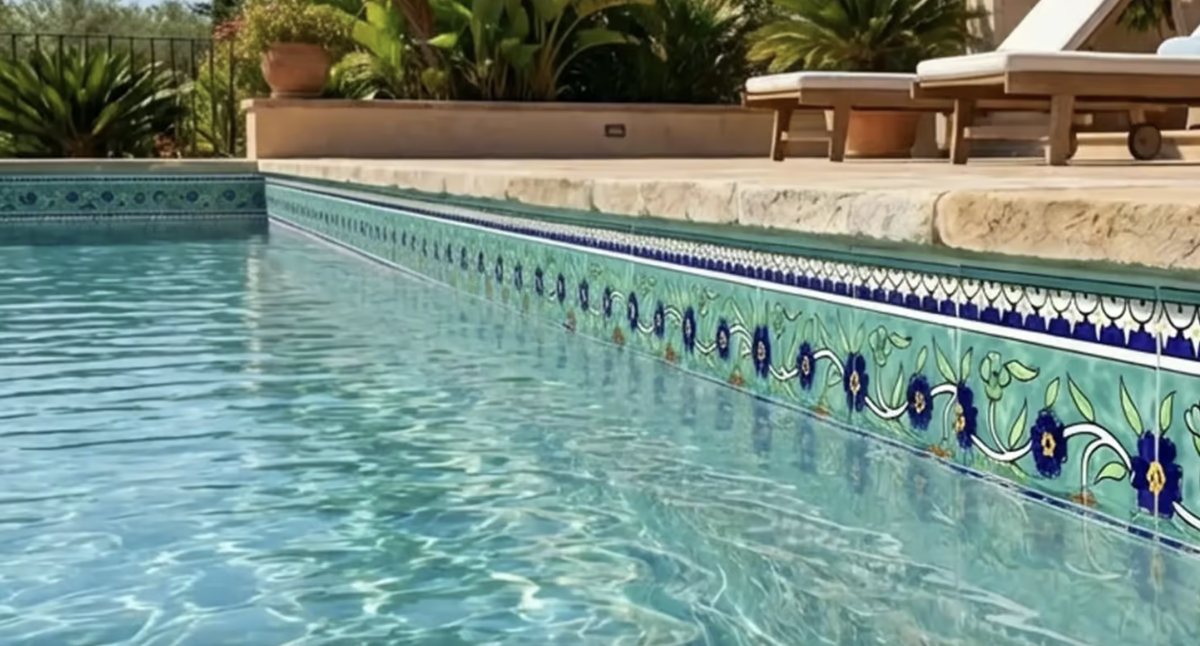
Most projects combine more than one of these. Replacing waterline tile or coping during a resurfacing is common, since the pool is already drained.
Finish and tile style examples
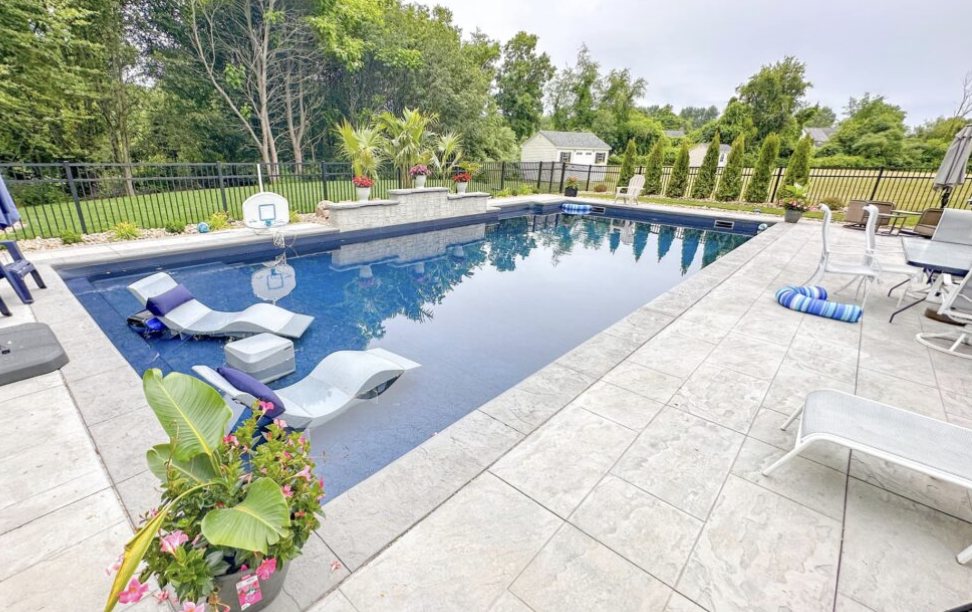
These are stock photos to help you picture different finishes. They are style examples, not photos of local projects.
Areas served
Contractors in our network work throughout Palm Coast and nearby communities in Flagler and northern Volusia counties.
Pool resurfacing questions
How long does a new finish last?
It depends on the material and on water care. As a general guide, standard white plaster often lasts around 7 to 12 years, quartz somewhat longer, and pebble finishes the longest, often 15 years or more. Balanced water chemistry makes a big difference with every finish.
How long will my pool be out of service?
The work itself usually takes several days to a couple of weeks, depending on the finish, repairs, tile work and weather. Your contractor will give you a schedule with the estimate.
How much does pool resurfacing cost in Palm Coast?
Cost depends on pool size and shape, the finish you choose, how much of the old finish has to come out, and whether tile, coping or repairs are included. A contractor can give you an exact written price after seeing the pool, and the estimate is free.
Can I resurface over the old finish?
Sometimes. Sound plaster can often be prepared and bonded over, but hollow or flaking areas must be removed first. Your contractor will check for delamination during the inspection.
Do you do the work yourselves?
No. This site is a free referral service. When you call (386) 291-5262 or send the form, we connect you with an independent local pool contractor, who gives you the estimate and does the work.