Pool replastering in Palm Coast, FL
Swap rough, stained or flaking plaster for a smooth new finish. Call to reach a local replastering contractor.
Why plaster wears out
White plaster, often called marcite in Florida, is the traditional finish for concrete pools and is still the most common one in Palm Coast. It's a cement-based coating, which means pool water is slowly working on it from the day the pool is filled. Low pH or low calcium water pulls material out of the surface. High pH and high calcium leave scale on it. Salt chlorine systems, heavy shock treatments and the long Florida swim season all add wear.
Over the years that shows up as a surface that feels rough, gray or mottled patches, stains that keep coming back, and eventually spots where the plaster lets go of the shell. Pool replastering in Palm Coast fixes all of that at once by giving the pool a brand-new surface.
What a replastering job includes
A proper replaster is more than a new coat on top of the old one. Expect a good contractor to:
- Drain the pool carefully and watch the groundwater situation. Many Palm Coast neighborhoods sit on a high water table, and an empty pool can float if pressure isn't relieved.
- Chip out hollow or loose plaster. Some contractors remove all of the old finish, others remove only failed areas and prepare the rest. Ask which approach they recommend and why.
- Prepare the surface with acid washing, grinding, or a bond coat so the new plaster grips.
- Address fittings, light niches, return jets and the main drain cover while the pool is empty.
- Apply and hand-trowel the new plaster in one continuous session so the surface cures evenly.
- Refill right away and guide the start-up, which usually means brushing the whole pool and carefully balancing chemistry over the first weeks.
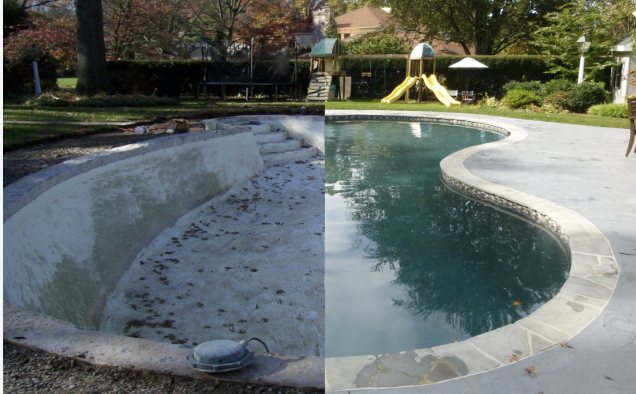
Plain white plaster or something tougher?
Standard plaster gives you that classic bright, light-blue water look and is the lowest-cost way to resurface. The trade-off is lifespan. Many homeowners who are replastering for the second time choose quartz or pebble instead, because those finishes resist etching and staining better. Colored plasters are also available if you want deeper water color without changing the texture.
When you call (386) 291-5262, mention how old the current finish is, what it feels like, and whether you use a salt system. That helps the contractor come prepared with the right options.
Caring for new plaster
The first month matters most. Fresh plaster releases cement dust that has to be brushed off daily, and the water chemistry needs close attention while the surface hardens. Skipping start-up steps is one of the most common reasons new plaster discolors or roughens early. Your contractor should give you written start-up instructions, or handle the start-up for you.
Many replastering projects also include new waterline tile or coping, since the pool is already drained and the edges are easy to reach.
Get a free resurfacing quote
Tell us a little about your pool. A local pool contractor will contact you to set up a free on-site estimate. Prefer to talk? Call (386) 291-5262.
Pool resurfacing services
- Pool resurfacing in Palm Coast
- Pebble Finishes
- Quartz Finishes
- Fiberglass Pool Resurfacing
- Pool Tile & Coping
- Pool Deck Resurfacing